





In the automotive manufacturing and repair industry, gaskets are indispensable and critical components, widely used in engines, transmissions, piping systems, and other parts. As the automotive industry demands increasingly higher levels of sealing performance, delivery efficiency, and consistency, traditional manual or inefficient processing methods are no longer sufficient to meet the development needs of modern gasket manufacturers.
More and more automotive gasket manufacturers are introducing CNC cutting equipment to achieve increased production capacity, reduced costs, and improved quality.
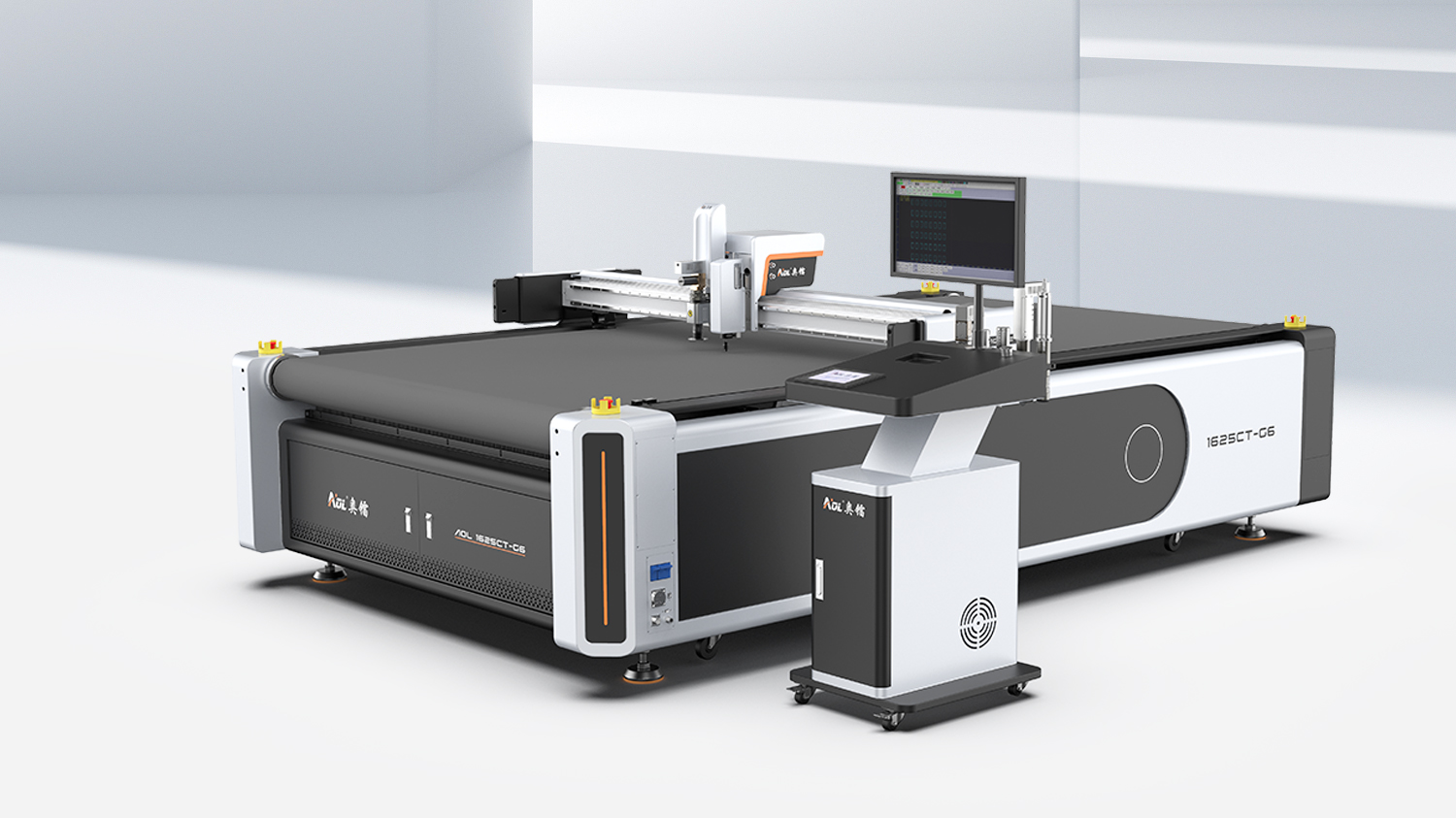
For years, automotive seal suppliers have been grappling with a common problem: to meet deadlines for electric vehicle projects, they had to contend with worn-out molds, damaged gaskets, and time-consuming mold changeovers that took up half a shift. Everything changed after they purchased CNC cutting equipment. By replacing manual die-cutting with a CNC digital gasket cutting unit, optimizing the CAD-to-machine conversion process, and implementing simple shop floor standards, they increased production by 80%, reduced scrap rates by more than half, and shortened prototyping cycles from 10 days to less than 72 hours—all without hiring new employees.
Problems in the production process:
Before the upgrade, their operating status was as follows:
Products: NBR, EPDM, and FKM rubber seals; PTFE/graphite gaskets; pressure-sensitive adhesive-backed laminates for electric vehicle battery packs and internal combustion engines.
Order characteristics: Diverse product range, low to medium production volumes, frequent engineering change orders (ECOs), and urgent sample orders for electric vehicles.
Key specifications: Dimensional tolerance of 0.15-0.20 mm, no damage to the liner at the die-cut area, smooth edges, ensuring leak-free sealing components.
However, real-world circumstances hindered their development:
High mold costs and delivery delays: New steel molds require a 1-3 week lead time and cost between $60,000 and $120,000 annually.
Excessive mold changeover time: Each mold change takes 25-40 minutes, leading to overtime and delivery delays.
Decreased quality: Mold wear results in oval bolt holes, torn pressure-sensitive adhesive pads, and burrs on the edges.
Excessive inventory: To cope with the long mold delivery times, they have to overproduce.
Digital cutting + strict process management
They didn't just purchase a machine; they rebuilt their entire workflow around it.
The CNC oscillating knife cutting machine features a zoned vacuum suction table and a camera-based datum positioning system, linked to a centralized CAM process library associated with material type, thickness, and adhesive usage.
Automated DXF file import: Approved drawings in the PDM system automatically trigger layout and process selection.
Real-time SPC: Cut sample data, peel test results, and micro-feature inspection data are directly entered into the MES system.
Safeguards to ensure the success of the solution:
CAD standards: Enforcement of layers (cutting, half-cutting, marking), closed polylines, and minimum hole diameter.
Z-axis control: Monthly table mapping, Z-axis offset settings for each zone, and weekly base plate rotation.
Blade management: Dedicated blades for different materials, and blade life tracking based on cutting area (square meters).
Key points for your workshop:
1. Start with clean data: Enforce CAD layer standards and automate file import. Garbage in, garbage out.
2. Integrate quality into the production process: Link materials, thickness, and adhesives to fixed cutting parameters – say goodbye to trial and error.
3. Control variables: Perform monthly cutting table calibration, backing plate rotation, and blade life tracking to prevent problems before they occur.
4. Turn flexibility into profit: Utilize scrap materials, rapid layout, and digital job packages to transform small-batch production into profit, not a headache.
For this automotive supplier, the CNC cutting machine is more than just a machine—it has become the cornerstone of their ability to improve responsiveness, quality, and achieve growth in the era of electric vehicles.
For processing plants looking to scale up, improve efficiency, and take on more automotive gasket orders, choosing the right CNC cutting equipment is a crucial step in increasing production capacity. Whether for original equipment manufacturers or aftermarket customization needs, intelligent and digital cutting will be the future trend.
If you are looking for an efficient cutting solution suitable for automotive gasket processing, CNC cutting equipment is undoubtedly an investment worth prioritizing.
 No.5789, Yushan Road, Jinan City, Shandong Province, China
 +86 18560162709
 250109


